Social Media and Mental Health: Connection or Isolation?
Social Media and Mental Health: Connection or Isolation?
In today’s hyper-connected world, social media has become an integral part of our lives. Platforms like Instagram, Twitter, and TikTok offer spaces to share experiences, connect with loved ones, and stay updated with global trends.
However, behind the curated feeds and endless scrolls lies a growing concern: the impact of social media on mental health.
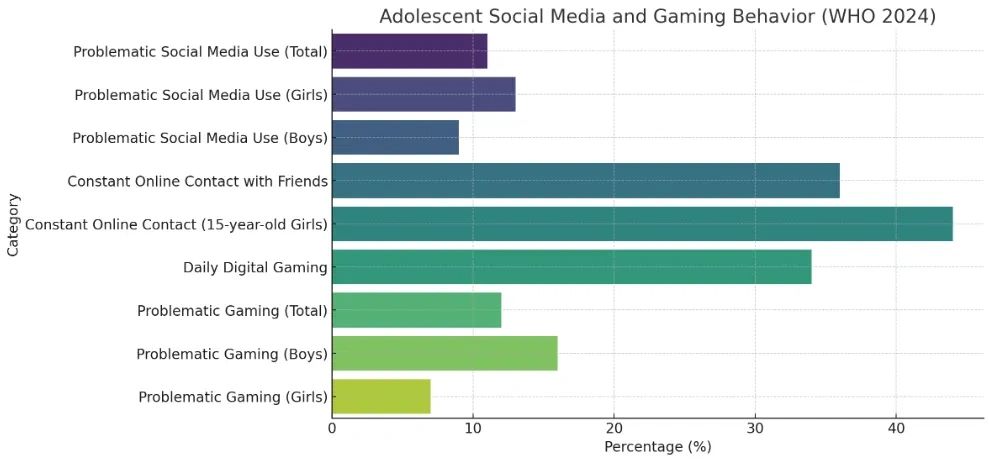
In 2024, the World Health Organization reported that more than 1 in 10 adolescents (11%) exhibited signs of problematic social media behavior, struggling to control their use and experiencing negative consequences. Notably, girls reported higher levels of problematic use than boys (13% vs. 9%).
The Bright Side of Social Media
Social media fosters meaningful connections by building communities and support networks. Platforms like Reddit, Facebook Groups, and Discord create spaces where individuals facing mental health struggles can find comfort, share experiences, and receive advice from like-minded people.
Additionally, social media plays a vital role in spreading awareness and educating the public about mental health. Influencers, activists, and organizations use platforms to break stigmas, share personal experiences, and promote valuable coping strategies.
Moreover, social media offers users opportunities for self-expression and creativity. Through posts, blogs, videos, and art, individuals can share their thoughts and emotions, helping them process feelings and reduce stress.
The Dark Side — How Social Media Harms Mental Health
Social media is both a dark and a brilliant thing for mental health. ~Fearne Cotton
Comparison culture on social media significantly contributes to low self-esteem and unrealistic expectations. Constant exposure to curated lifestyles and seemingly perfect experiences fosters feelings of inadequacy, especially among teens and young adults.
Scrolling through idealized images often leads users to compare their lives negatively, damaging self-worth and increasing feelings of anxiety and depression.
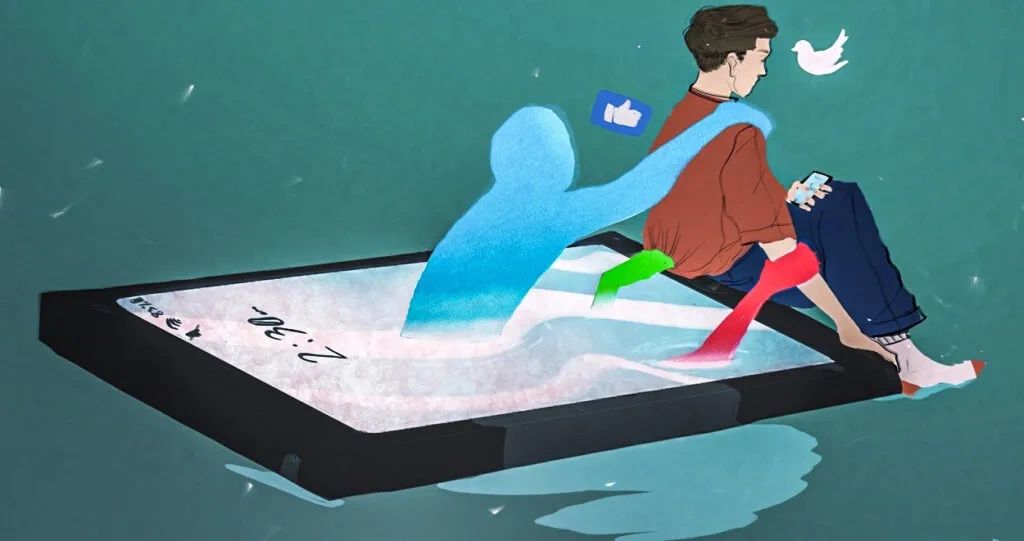
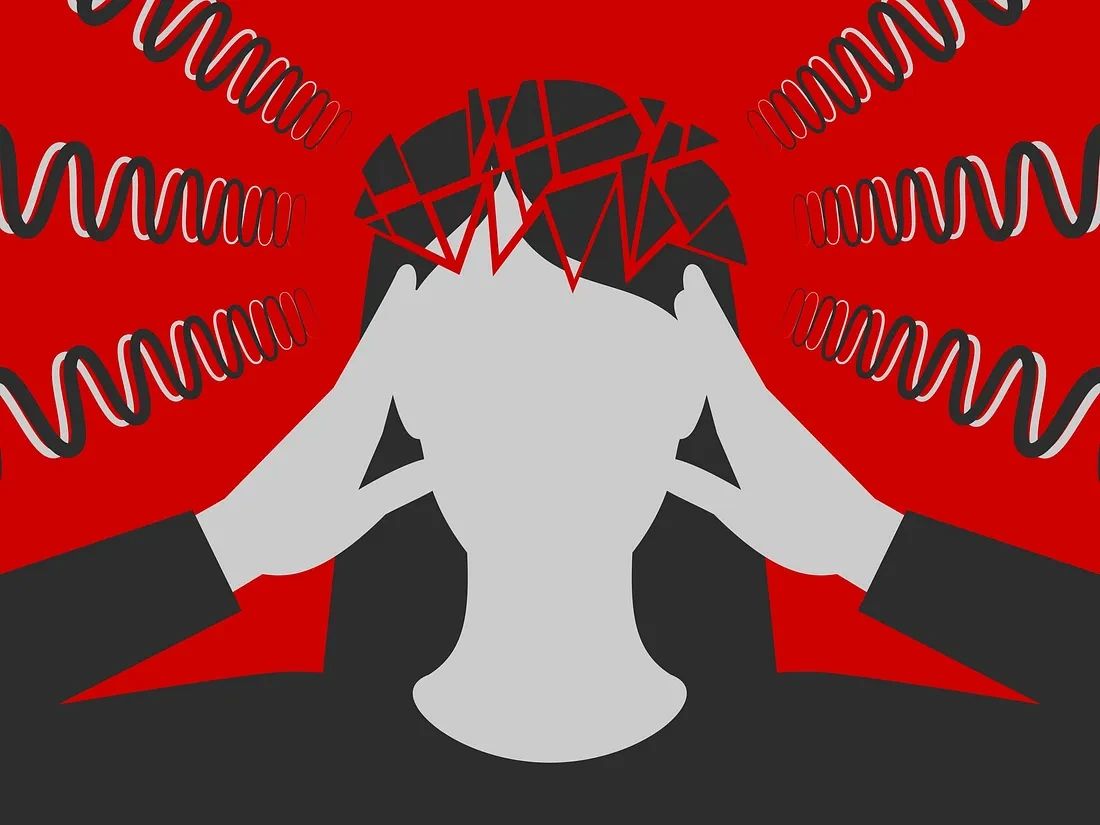
Social media addiction and doomscrolling also take a toll on mental well-being. Platforms are designed to exploit dopamine responses, encouraging users to scroll through content endlessly. This habit reduces productivity, disrupts sleep patterns, and contributes to chronic stress, leaving users mentally exhausted and emotionally drained.
Cyberbullying and online harassment are harsh realities of digital interaction. The anonymity offered by social platforms often fuels negativity, leading to severe anxiety, depression, and, in extreme cases, self-harm.
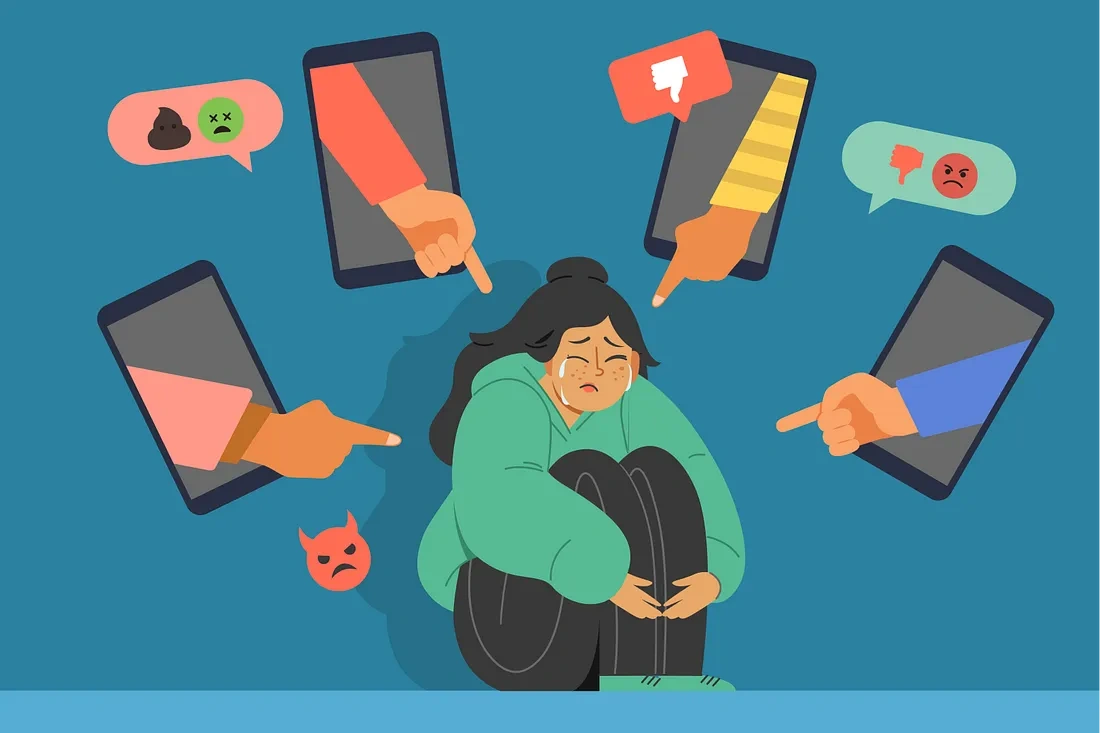
Additionally, the Fear of Missing Out (FOMO) is amplified by seeing others’ highlights, evoking feelings of exclusion and loneliness, further exacerbating mental health issues. Constant exposure to curated lifestyles fosters unrealistic standards, especially affecting teens and young adults.
Coping Mechanisms and Healthy Usage Tips
To navigate social media’s challenges, individuals can adopt several coping strategies and healthy habits.
One effective approach is practicing digital detox. Scheduling regular breaks from social media allows the mind to rest, reducing anxiety and preventing information overload. For instance, implementing screen-free hours before bed can improve sleep quality and overall well-being.
Another important strategy is curating one’s online environment. Unfollowing accounts that promote unrealistic standards and instead engaging with content that fosters positivity and self-acceptance can significantly impact mental health.
Educational, motivational, and hobby-related accounts can provide constructive content while minimizing negative comparisons.
Lastly, maintaining real-world connections is crucial. Balancing online interactions with face-to-face conversations helps ground relationships in reality and strengthens emotional support networks.
Additionally, using built-in app features like time trackers and notification limits can help manage usage effectively. By being mindful of their social media habits, individuals can enjoy the benefits of these platforms without compromising their mental health.
Finding Balance in a Connected World
Social media, though a powerful tool for connection and awareness, can negatively impact mental health if used without caution. By adopting healthier online habits and encouraging platforms to prioritize user well-being, we can leverage social media’s potential while safeguarding our mental health. The choice lies with us: to scroll mindfully or to let social media control us.
Comments